
Have you ever seen something so cute that you just wanted to squeeze it? Not in a harmful way, just that overwhelming, almost physical urge to pinch a baby’s cheeks, bite a puppy’s ear, or crush a kitten to your chest?
If so, you have experienced what psychologists call cute aggression. And far from being something to worry about, it turns out it is one of the most human things your brain can do.
What Is Cute Aggression?
Cute aggression is the technical term for the weird urge to gnaw on a newborn’s thigh. It’s the pseudo-aggressive urges towards something you find overwhelmingly adorable. We’re talking about things like:
- An urge to squeeze, pinch, or bite a baby or young animal
- Tension in your jaw, gritted teeth, or clenched fists when you see something very cute
- Feeling almost frustrated or overwhelmed by how cute something is
- Sounds like “aaaargh” or “I can’t stand it” that have nothing to do with actually being unable to stand it

The key word here is urge. Cute aggression does not come with any actual desire to cause harm. People who experience it have full self-control and would never act on these impulses. It’s the feeling, not the behaviour, that’s defines it.
If it crosses the boundary to real harm, well, that’s when you mightwant to see someone!
While it might feel like just one of those things we say, researchers from Yale University confirmed in 2015 that these experiences are in fact real, measurable, and surprisingly widespread.
What Does It Feel Like?
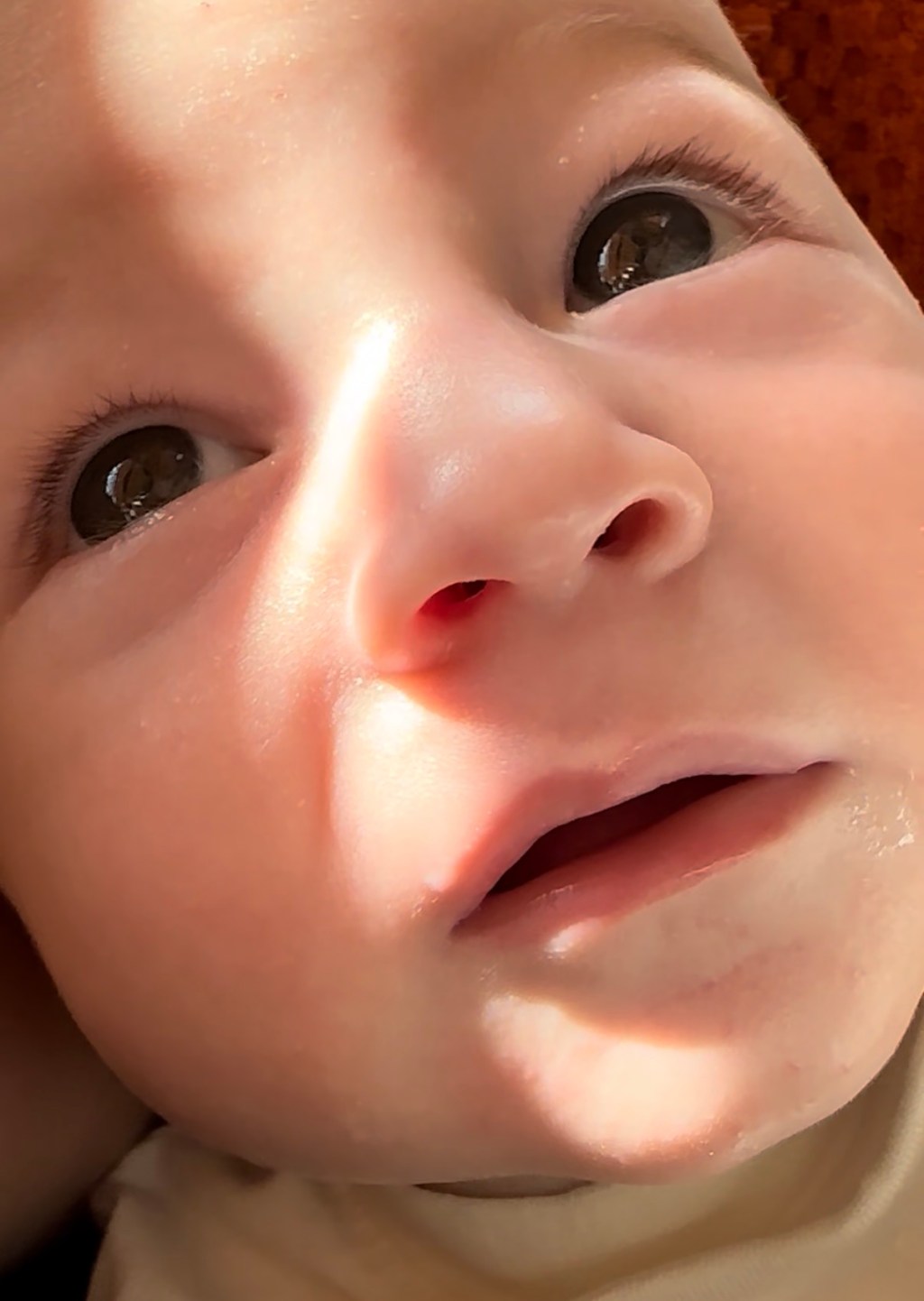
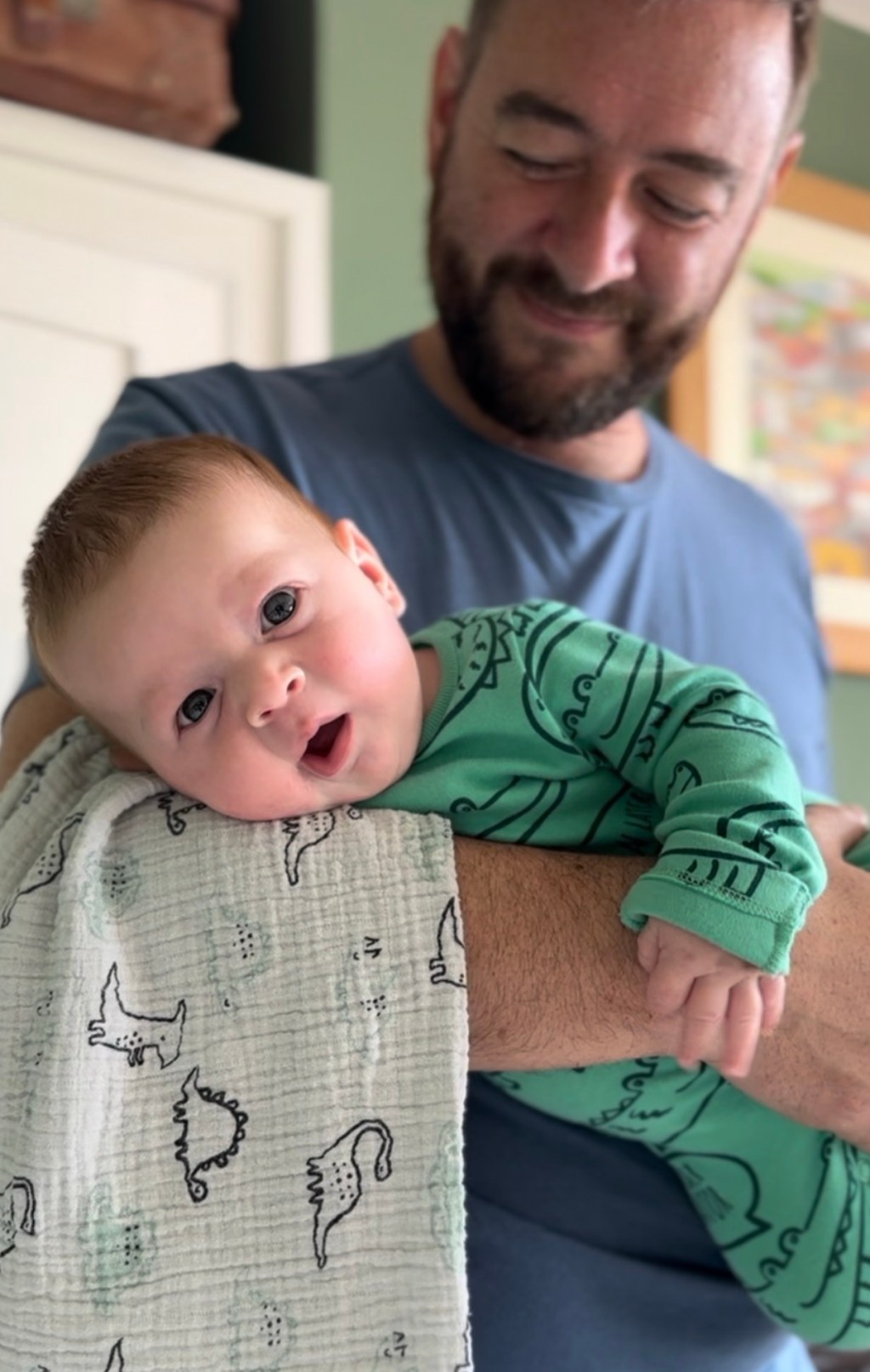
Cute aggression tends to show up most strongly in response to babies. And not just human babies – puppies, kittens, lambs… pretty much any baby animal.
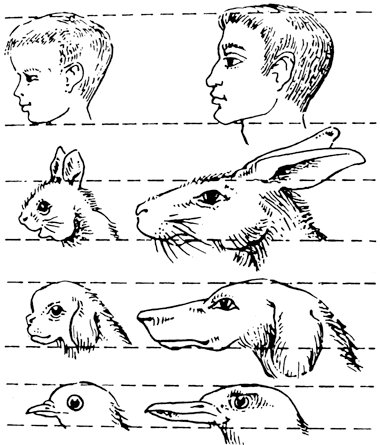
What all these young animals have in common is what researchers call “baby schema”: the set of features that make babies universally recognisable as cute. Big eyes, round faces, chubby cheeks, small noses, and wobbly, uncoordinated movements all trigger it.
The more pronounced the baby schema features, the more intensely cute something is, and the stronger the cuteness aggression response.
The Psychology Behind It: Dimorphous Expression
Cute aggression is a form of what psychologists call dimorphous expression. This is when you feel one emotion but express it using the tools of a different, often opposite, emotion.
You have almost certainly done this before. Have you ever:
- Cried at a wedding or another happy event?
- Screamed or laughed uncontrollably when excited?
- Felt nervous laughter rise up at a completely inappropriate moment?
All of these are dimorphous expressions. Your emotional system is running one programme, but your body is outputting the signals of another.
Cute aggression follows exactly the same pattern. The feeling underneath is love and the desire to nurture. The output looks, briefly, like aggression.
Research also suggests that people who show dimorphous behaviour in other situations, like crying at happy events, are more likely to experience cute aggression. It appears to be a general feature of how some brains process intense emotion.
Why Does Your Brain Do This?
The short answer: to stop you becoming useless.
As humans, we are hard-wired to respond to baby faces with love, protectiveness, and a powerful drive to care for them. It is an evolutionary adaptation. Babies that triggered strong caregiving responses in adults survived. Babies that did not, often did not.
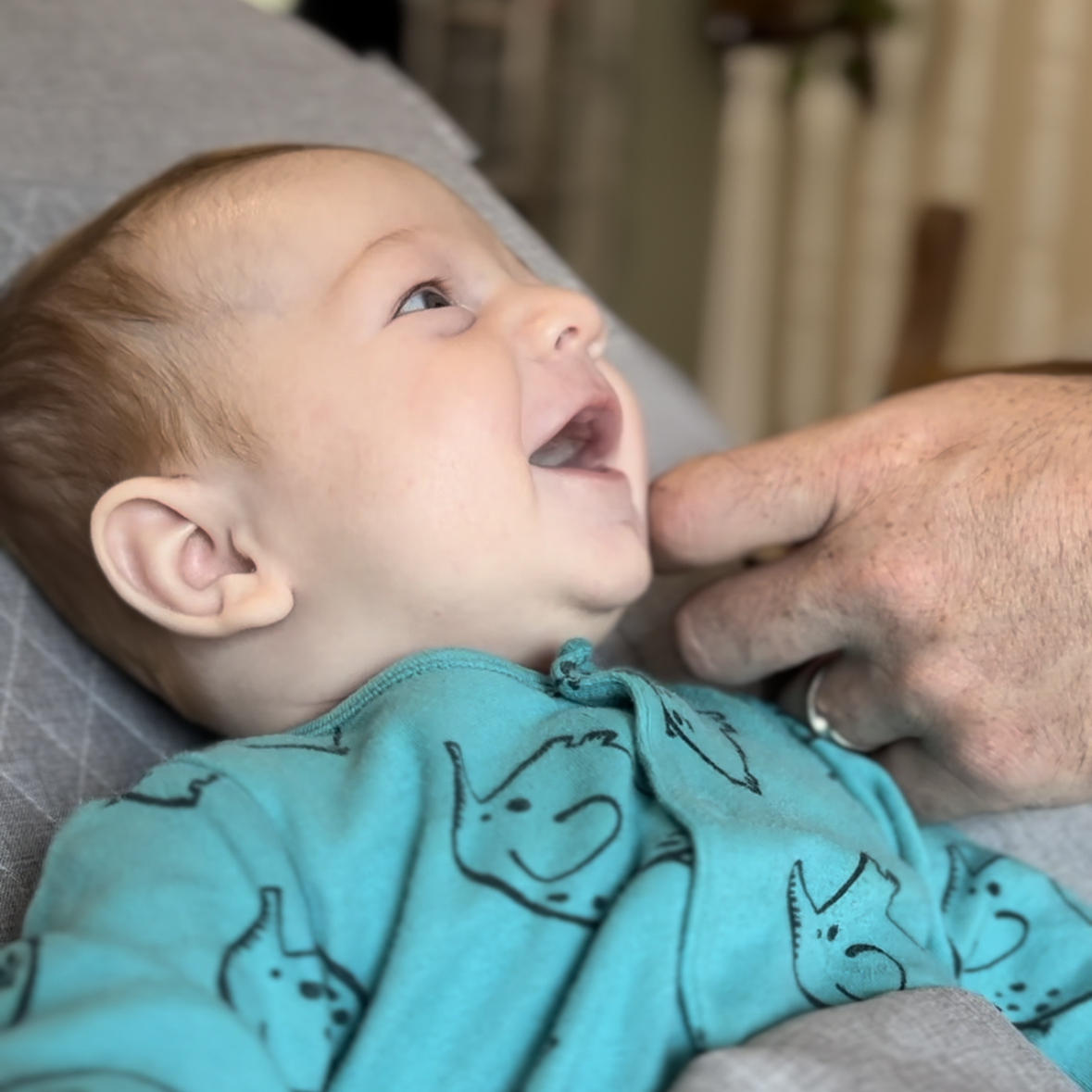
But there’s a problem. The cuter the baby, the more intense that response, to the point where the brain can become overwhelmed with positive emotion. And an overwhelmed caregiver is not a useful one. If you were so flooded with adoration when your baby smiled that you couldn’t think straight or get on with the actual job of feeding, protecting, and caring for a helpless infant, that would be an evolutionary dead end.
Cute aggression appears to be the brain’s solution. By introducing a small counter-emotion, a flicker of the opposite feeling, the brain brings the overall emotional response back into a manageable range. It regulates the overflow.
In 2020, researchers measured the brain activity of people looking at cute images and found that the cuter images triggered stronger responses in both the reward and motor parts of the brain, supporting the idea that the brain is actively trying to regulate an overwhelming positive reaction.
Think of it like a pressure valve. The love builds, the pressure rises, and cute aggression releases just enough to keep the system functional.
Is Cute Aggression Normal?
Yes. It is very normal.
Studies suggest that the majority of people experience some form of cute aggression, and it isn’t linked to any tendency towards actual aggression or harm. It’s more common among people who are generally emotionally expressive and responsive, and it tends to be stronger in people who are more strongly drawn to caring for others.
In other words: if you feel the urge to aggressively smoosh a baby’s face, it probably means you’re a very caring person whose brain is working overtime to keep your love in check.

The Takeaway
Cute aggression is one of those delightful quirks that reveals how complicated even our most straightforward emotions actually are. Love, it turns out, does not always look like love. Sometimes it looks like clenched fists and gritted teeth and a desperate urge to bite something small and fluffy.
Your brain is not broken. It is just very, very good at making sure you can still function when faced with something impossibly adorable.
Which is lucky. Because babies need a lot of looking after, and they are very, very cute.
Read More
- Aragon et al. (2015) – Dimorphous Expressions of Positive Emotion: Displays of Both Care and Aggression in Response to Cute Stimuli (Yale University, Psychological Science)
- Stavropoulos & Alba (2020) – ‘Correction: It’s So Cute I Could Crush It!’: Understanding Neural Mechanisms of Cute Aggression (Frontiers in Behavioral Neuroscience)
- What Is Cute Aggression? (American Kennel Club)
- Cute Aggression Explained (YouTube, Tjarkv)
- Why Do We Experience Cute Aggression? (Psychology Today)


 The Science Baby
Leave a comment