
The fourth trimester (the 12 weeks after birth) is one of the least talked-about parts of new parenthood. Here’s what’s really happening to you and your baby, and why “bouncing back” is a myth.
You’ve spent nine months growing a baby. You’ve done the scans, the classes, the birth plan. And then the baby arrives, and somewhere in the chaos, you expected things to start going back to normal.
They don’t. Not yet, anyway.
The period from birth to around 12 weeks — known as the fourth trimester — is one of the most physically and emotionally intense stretches of a new parent’s life. Yet it barely gets a mention in most antenatal classes.
What Is the Fourth Trimester?
Pregnancy is divided into three trimesters, each roughly three months long, each defined by the massive hormonal and physical changes taking place inside your body. The fourth trimester extends that logic past birth.
Just because your baby is on the outside doesn’t mean the mother-baby system has finished its work. Your body is still undergoing seismic shifts. So is your baby. And for both of you, the adjustment takes time: typically around those first 12 weeks, though the reality is much messier than a neat cutoff date.
The term isn’t brand new, but it’s gaining ground, and for good reason. It names something a lot of new mothers have experienced but never had a framework for: the fact that birth is far from the finish line.
What Your Baby Is Going Through
Before we get to you, it’s worth remembering that your newborn is also in the middle of something enormous.
For nine months, they lived in a warm, dark, muffled world. Constant temperature. Continuous nutrition. Muted sound. And then, very suddenly, they are out. It’s bright. It’s cold. It’s loud. It’s overwhelming. And these infants are neurologically underdeveloped, with no existing framework to process any of it.
This is why babies in the fourth trimester cry more than at any other point in their lives. It’s not because something is wrong, and it is absolutely not because they are playing you. They are simply, genuinely, having a hard time.
They’re not giving you a hard time. They’re having one.

The most helpful thing you can do is try to make their new world feel as close as possible to the one they left. That means skin-to-skin contact, so they can still feel your heartbeat and warmth. It means baby wearing, which has become much better understood and supported over the past decade. It means feeding on demand and sleeping on demand, rather than according to the clock.
There is also evidence that newborns don’t yet understand they are a separate person from you. The idea of a rigid schedule imposed by the parent rather than the baby makes little biological or developmental sense this early. The concept of “spoiling” a newborn is, to put it plainly, not supported by science.
The Hormone Crash
Let’s talk about what happens inside your body the moment you deliver the placenta.
Throughout pregnancy, the placenta produces large quantities of progesterone and oestrogen: hormones that support the pregnancy, stabilise your mood, and generally keep things ticking over. Progesterone in particular is sometimes described as nature’s tranquilliser, because it metabolises into a compound in the brain with a calming, anti-anxiety effect.
And then, when the placenta is delivered, those hormones stop. Suddenly and almost completely.
The hormone drop that follows is sometimes compared to coming off hormonal contraception cold turkey, multiplied significantly. Most commonly, this crash arrives around day three postpartum, though anywhere in the first week is typical. Symptoms include tearfulness, anxiety, and a strange fog of feeling like you aren’t as happy as you’re supposed to be, followed by guilt about that feeling.
This is known as the baby blues. It is extremely common, it is biological, and it passes.
Over the course of the fourth trimester, oestrogen slowly begins to rise again toward pre-pregnancy levels. For non-breastfeeding mothers, periods and ovulation may return toward the end of this window. With it often comes a gradual return of libido, a reduction in symptoms like vaginal dryness, and a feeling of slowly becoming more like yourself.

How Breastfeeding Changes the Picture
If you are breastfeeding, the hormonal timeline looks a bit different.
Producing milk requires prolactin, and prolactin suppresses oestrogen. This means breastfeeding mothers remain in a lower-oestrogen state for much longer; sometimes the entire duration of breastfeeding, which can be months or even years. This is why periods often don’t return while you are nursing. It’s also why libido and energy levels may stay lower for longer.
This isn’t a reason not to breastfeed. But it is worth knowing about, because otherwise it can be very easy to assume something is wrong with you.
There’s also the process of establishing breastfeeding to contend with, which for many mothers is one of the most stressful parts of the entire postpartum experience. Latch difficulties, mastitis, triple feeding, the relentless milk math. All of this often unfolds during the same weeks as the hormone crash, the sleep deprivation, and the physical recovery. It’s a lot, coming at the same time.
Many breastfeeding consultants note that around the four-month mark, just past the end of the fourth trimester, is when things often start to click. By that point, you’ve both had more practice, and the baby is physically bigger and stronger. That’s a long time to hold on, but it’s worth having that milestone on your radar.
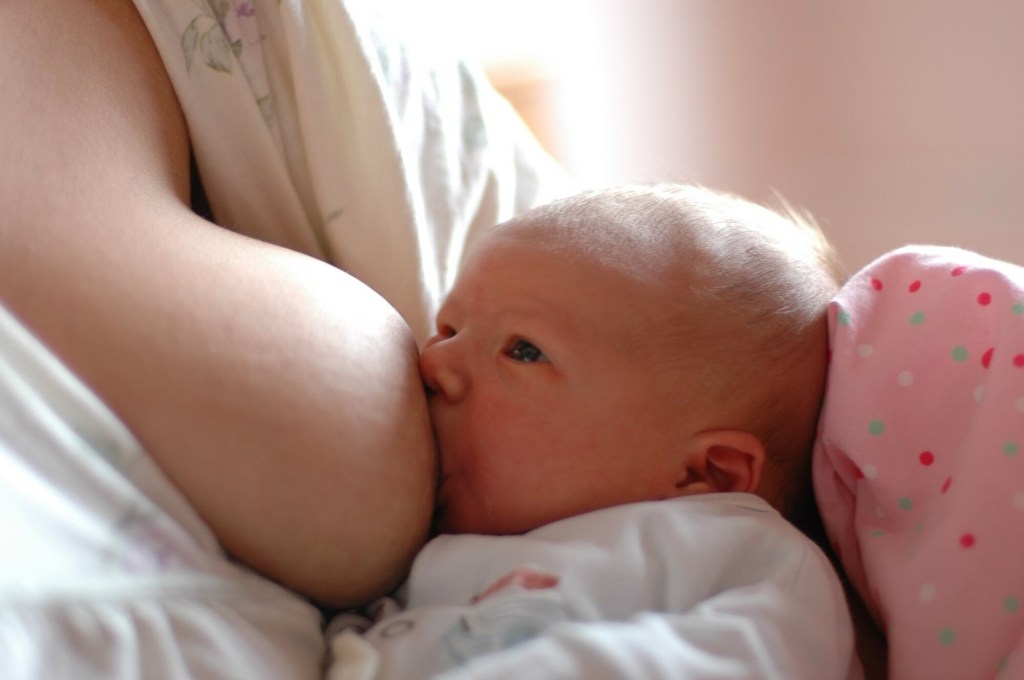
And when you do wean, whether gradually or abruptly, expect another hormone shift. As prolactin drops and oxytocin decreases, the feel-good hormones that have been central to your breastfeeding experience start to recede. Some mothers describe a dip in mood around weaning that catches them completely off guard. It is real, it is hormonal, and it makes total sense once you understand what’s happening.
The Physical Reality
However, the fourth trimester is not just an emotional experience. It is a thoroughly physical one.
Up to 45% of women report some form of trauma during birth, whether physical or emotional or both. Around 5% go on to develop symptoms consistent with PTSD. In the UK, C-sections and instrumental deliveries now account for more births than unassisted vaginal deliveries. There is no version of this that doesn’t take a toll on your body.
Some of the physical changes are unglamorous but temporary. The night sweats that arrive in the first days postpartum are caused by your body rapidly shedding the extra fluid volume it built up during pregnancy. Roughly 50% more blood was circulating in your body while you were pregnant, and it has to go somewhere. Expect to sweat, wee, and cry in quantities that seem implausible.
Some changes take much longer.
Relaxin, the hormone that loosened your ligaments and joints to make birth possible, remains elevated postpartum and makes you significantly more prone to injury when exercising. Many women find they are more flexible but also less stable, and can re-injure themselves easily doing things they used to manage without thinking.
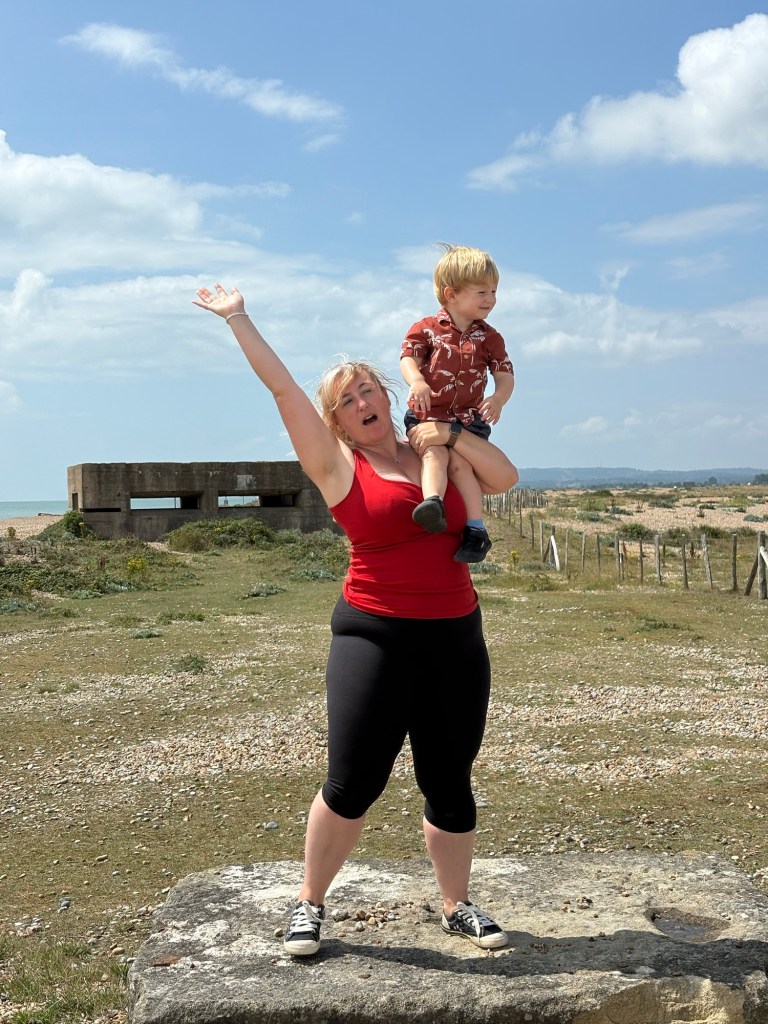
Abdominal muscles, which separate during pregnancy to accommodate the growing uterus, take weeks to begin knitting back together and months to recover meaningful strength. For many women, this process isn’t complete at three months, or six, or even nine.
Your ribcage may be permanently wider. Your pelvis will have shifted. The body you have after a baby is, in fundamental ways, a different body. Not worse, just different. And recognising that, rather than fighting it, is part of what the fourth trimester is for.
On Bouncing Back
The media version of postpartum recovery involves a flat stomach and a return to normal life in a matter of weeks. The science version does not.
More than half of women have not returned to pre-pregnancy iron levels by the end of the fourth trimester. Emotional recovery varies enormously. Physical recovery, depending on the birth, on breastfeeding, on injury, can take years. For some things, “recovery” means finding a new normal, not returning to the old one.
There is no evolutionary pressure for your body to undo all of the changes of pregnancy. There is, if anything, pressure for it to adapt you toward doing this again. And that’s fine, but it is not the same as bouncing back.
The fourth trimester is not a period to optimise or push through. It is a period to exist inside. To get used to a new body, a new identity, a new relationship, a new small person who needs everything from you. That is overwhelming. You are allowed for it to be.
What the Three Month Mark Actually Means
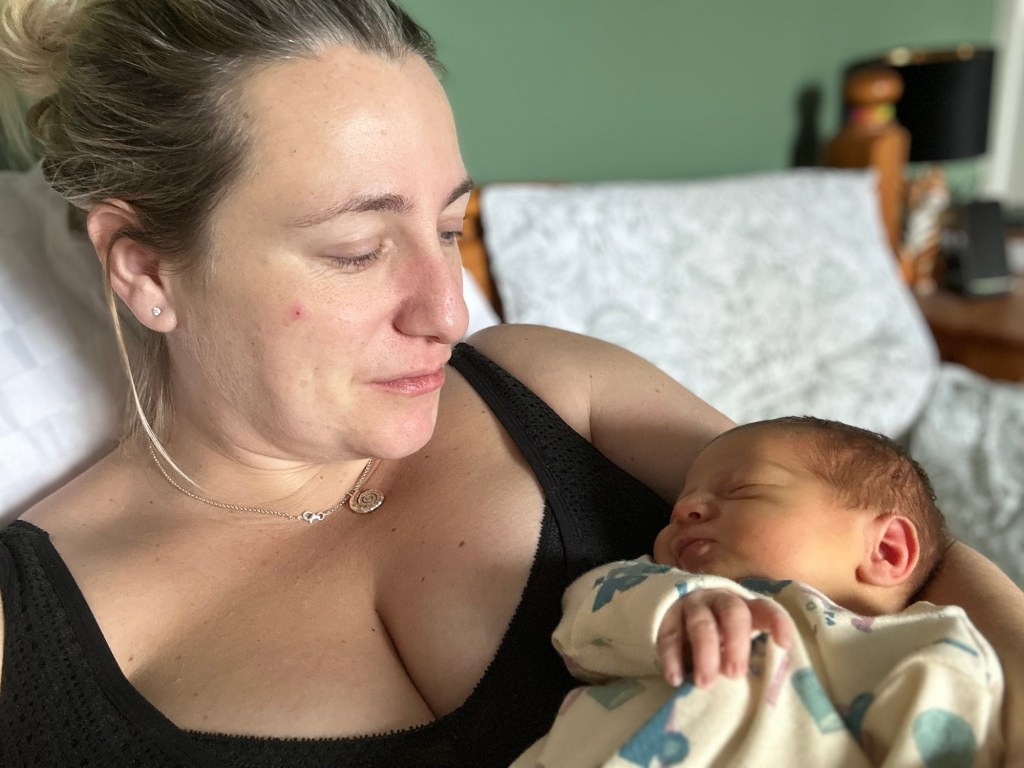
By around twelve weeks, most parents report starting to feel more competent – like they have, at least provisionally, figured out how to keep this baby alive. Babies tend to become more predictable. The peaks of crying begin to taper. Things that felt impossible start to feel merely difficult.
That shift is real and it’s worth looking forward to. But it’s not a reset button, and three months is not a deadline. If you are still struggling at three months, whether physically, emotionally, or hormonally, that is not a failure. It is, for a very large number of women, just the reality.
Give yourself the kind of grace you would give a friend going through something overwhelming. And try to ignore anyone who expects otherwise.
Listen to The Episode
👉 You can watch and listen to the latest episode right here:
Or find The Science Baby Podcast on your favourite podcast app.
Join the Science Baby Community
We’d love to hear what you think about this episode, and the podcast in general!
Leave us a review, share this episode with a fellow parent, or drop us a message with the topics you’d love us to cover.
And make sure to follow us on Instagram, Facebook, TikTok or YouTube to make sure you never miss an update.
Read More
- The fourth trimester: what it is and why it matters – Tommy’s
- Postnatal depression – NHS
- Baby blues and postnatal depression – NHS
- Breastfeeding: the first few days – NHS
- Diastasis recti (abdominal separation) after pregnancy – Cleveland Clinic
- Relaxin in pregnancy and postpartum – Healthline
- Postnatal PTSD – Birth Trauma Association
- Matrescence: becoming a mother – Psychology Today



 The Science Baby
Leave a comment