
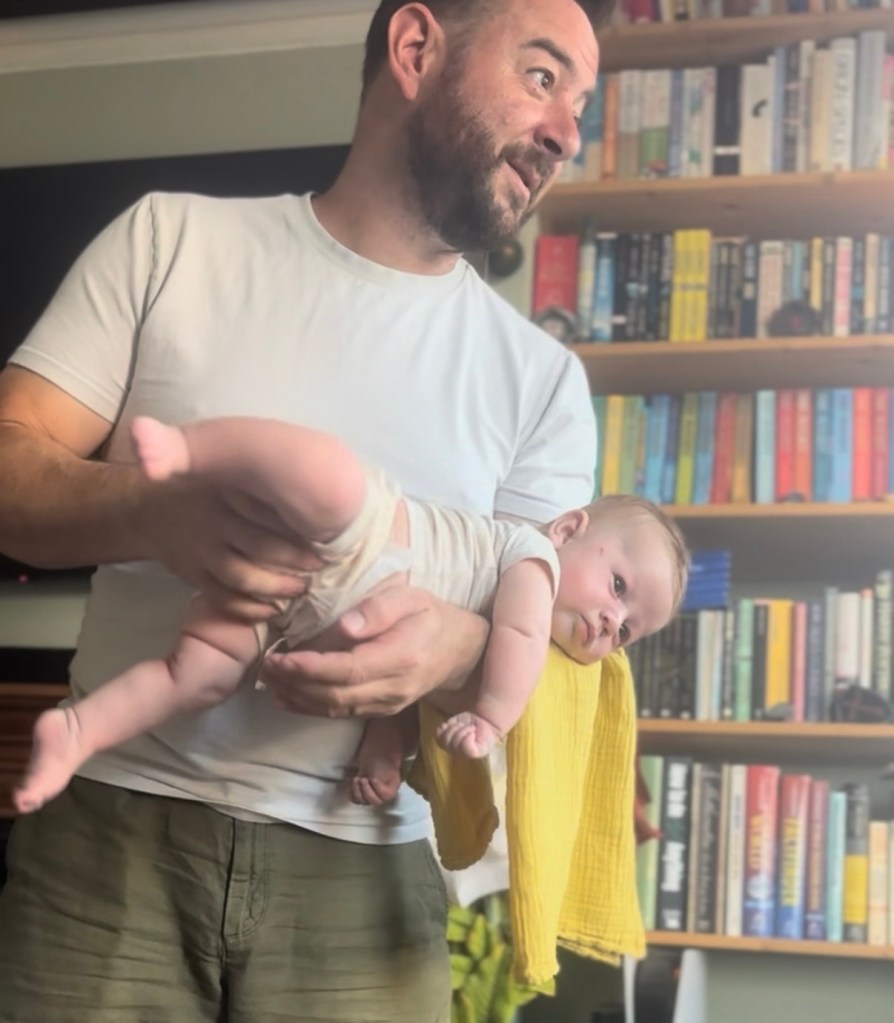
If you’ve spent any time around newborns, you’ll know the ritual well.
Feed the baby.
Pause.
Sit them upright.
Rub, pat, bounce, swirl.
Wait for the elusive burp.
It’s so ingrained in baby care advice that it can feel almost heretical to question it. But recently, scientists have done just that.
The Study That Started the Debate
A small study followed around 70 mothers and their babies over the first few months of life.
Half of the parents were told to burp their babies after feeds.
The other half were told not to.
Over 12 weeks, researchers tracked crying, fussiness, and symptoms often labelled as colic. The result surprised a lot of people.
It turns out, there was no difference in how fussy the babies were, whether they were burped or not. In fact, those who were routinely burped actually spat up more.
Why This Makes Biological Sense
When you think about newborn digestion, this result is perhaps not as strange as it sounds.
A young baby’s digestive system is still very much under construction. The muscular valve that normally keeps milk in the stomach is immature, which is why milk so easily comes back up. This immaturity plays a role in normal baby reflux, which is incredibly common in the first months of life.
So, if liquid can travel upwards with little resistance, gas bubbles probably can too.
From this perspective, burping may be more cultural habit than biological necessity.
Burping, Reflux, and Spit-Up
One of the most interesting findings from the study was that burped babies actually spat up more.
That does not mean burping causes reflux, but it does fit with what we know about infant anatomy. Sitting babies upright, applying pressure to the tummy, or repeatedly repositioning them can make it easier for stomach contents to escape upwards because of that weakened sphincter muscle.

For babies with reflux, frequent handling after feeds may sometimes increase spit-up rather than reduce discomfort, even though the baby themselves may still be perfectly fine.
This can be reassuring for parents who worry that spit-up automatically means something is wrong. In most cases, reflux is a laundry problem, not a medical one. And if you’re feeling like your baby is spitting up a lot, maybe try holding back on the burping for a while, see if it makes a difference?
What About Wind, Colic, and Fussiness?
Colic is a term often used to describe prolonged, unexplained crying in otherwise healthy babies. Despite how common it is, its exact cause remains unclear.
Gas and wind are often blamed, but research suggests colic is more likely linked to nervous system immaturity, gut development, and how babies process stimulation.
That said, gas can still be uncomfortable.
Many parents notice that a tense body, pulling legs up, or crying shortly after feeds is relieved by a change in position, a gentle bounce, or helping a burp or fart escape.
Because while an immature digestive system might theoretically be leaky, it’s also twisty and inefficient. And every baby’s twists and turns are their own. There are plenty of places where gas can get temporarily stuck, even if burping is not strictly necessary for every baby.

Babies Are Excellent Communicators
If there is one thing science and parenting experience agree on, it’s this.
Babies are very good at letting us know when something feels wrong.
A sudden cry after feeding.
Restlessness or arching.
Clenching fists or drawing knees to the chest.
Often, a small adjustment is all that’s needed. Not a routine, not a rule, just responsiveness.
So… Do Babies Need to Be Burped?
In this case, the scientific answer is a bit unsatisfying. Sorry.
Not always. Not never.
You probably do not need to perform an elaborate burping routine after every feed. Many babies manage just fine without it.
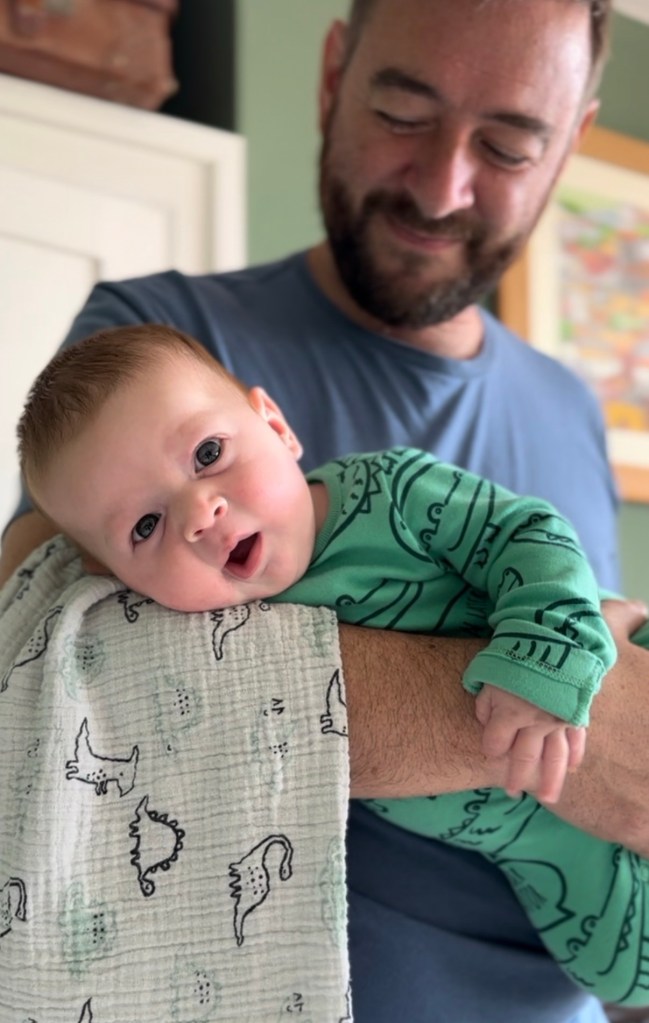
But if your baby seems uncomfortable, helping them change position or gently encouraging trapped wind to move can genuinely help.
Listening to your baby remains one of the most evidence-based approaches available.
And anyway, tootin’ time can be fun!
Read More
- Original burping study on infant fussiness and spit-up
- Accessible summary of the research findings
- McGill Office for Science and Society on burping myths
- NHS guide to burping your baby
- American Academy of Pediatrics on burping and spit-up
- UNICEF parenting guide on how to burp a baby
- NHS information on reflux in babies




 The Science Baby
Leave a comment