
When it comes to feeding your baby, breastfeeding is often promoted as the best way to do it, if you can. It’s not always easy, and for many parents, it’s not even possible. There are several short term health benefits for baby, but many oft-repeated long-term advantages, like making baby smarter, and reducing the risk of childhood obesity, aren’t actually held up by science. However, one of the demonstrated but lesser-known benefits of breastfeeding is that it can have a positive impact on the mother’s health too.
No, I’m not talking about helping to lose the baby weight. Breastfeeding can slightly reduce a mother’s risk of developing breast cancer.
That’s a big claim, so let’s look at what the science actually says.

How Breast Cancer Happens
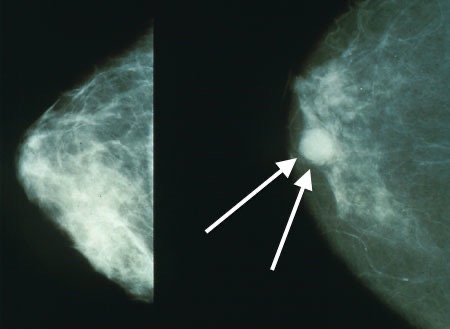
Breast cancer is one of the most common cancers in the world, affecting around one in eight women over their lifetime. Like all cancers, it starts when cells inside the body begin to grow and divide uncontrollably because of changes or “mutations” in their DNA.
These mutations can happen by chance, but some factors increase the risk, including inherited genes, obesity, exposure to radiation, and certain hormones. One hormone that’s strongly linked to breast cancer is oestrogen.
How Breastfeeding Lowers Cancer Risk
Research over several decades has shown that breastfeeding is linked with a small but measurable reduction in breast cancer risk. A large review combining results from multiple studies found that for every 12 months of breastfeeding, a mother’s risk of breast cancer decreases by about 4–5%.
That doesn’t mean you’re guaranteed protection, or that not breastfeeding puts you in danger. But it does suggest that breastfeeding can play a role in reducing overall risk.
Here’s how it works:
1) Less Estrogen, Fewer Opportunities for Cancer
When you’re breastfeeding, your body naturally produces less oestrogen. This is because breastfeeding often delays the return of your periods, meaning fewer hormonal cycles.
Oestrogen encourages breast cells to grow and divide, and the more times cells divide, the greater the chance that DNA errors can creep in. New research from Harvard University even suggests that oestrogen can directly damage DNA, causing chromosomes to stick together in ways that increase the risk of mutations.
So, by spending less time exposed to oestrogen, breastfeeding mothers may reduce the opportunities for breast cancer to take hold.
2) Shedding Potentially Damaged Cells
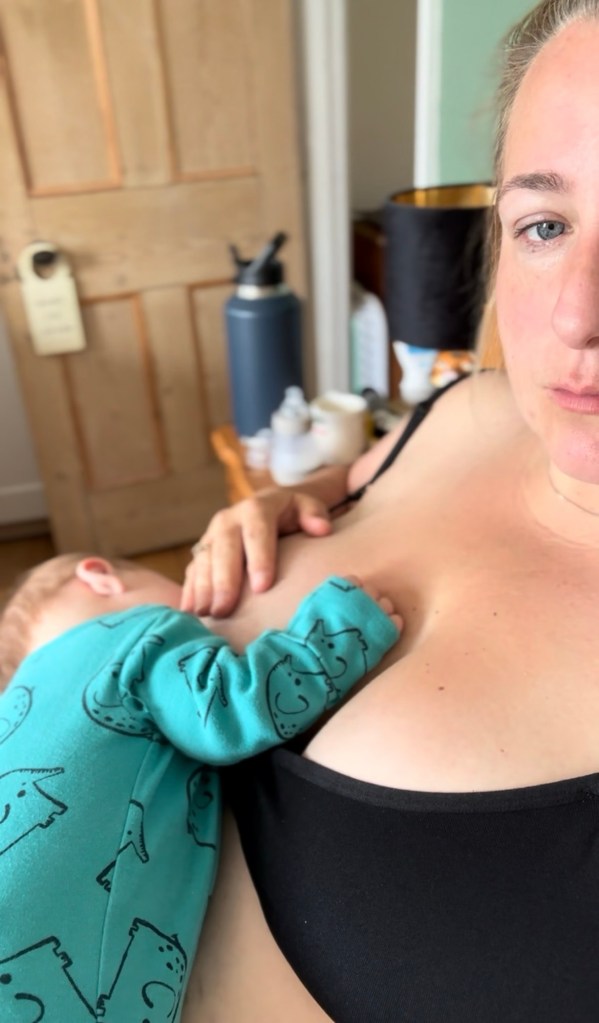
Breastfeeding involves huge changes to breast tissue. Cells that produce and release milk are constantly renewed, and when breastfeeding ends, much of this tissue breaks down and is shed.
This process is thought to help the body “clean out” cells with damaged DNA before they can become cancerous. It’s a kind of natural refresh for breast tissue.
Putting the Numbers in Context
Even though breastfeeding can reduce breast cancer risk, the effect is relatively small. Studies suggest that around one in twenty breast cancer cases in the UK may be linked to not breastfeeding.
And those who are actually reducing their risk are among the minority. Most mothers in the UK don’t breastfeed for a full year. According to NHS England, only about one-third of mothers are still breastfeeding at six months, and just 1% are exclusively breastfeeding at that stage. So if you’re not breastfeeding, you are far from alone, and you’re not putting yourself at major additional risk.
Other Protective Factors
It’s also worth remembering that pregnancy itself lowers lifetime breast cancer risk, especially if you have children earlier in adulthood. And there are other, stronger protective factors too: maintaining a healthy weight (although don’t expect breastfeeding to help with that), limiting alcohol (which you may want to do with a small baby anyway), and keeping active all have significant impacts on reducing cancer risk.
The Most Important Thing You Can Do
Whatever your feeding choices, the best thing any woman can do is to check her breasts regularly. Look for changes in texture, shape, or colour, and talk to your doctor if something doesn’t feel right.
More than 80% of breast cancer patients now survive the disease, especially when it’s caught early. Awareness and early detection are far more powerful than any single lifestyle factor.
The Bottom Line
Breastfeeding offers many benefits, for babies and for mothers, and one of those may be a small reduction in breast cancer risk. But that doesn’t mean it’s the only healthy choice.
Feeding your baby is an act of care, however you do it. Whether your journey involves breastfeeding, bottle-feeding, or a mix of both, what matters most is that both you and your baby are thriving.



 The Science Baby
Leave a reply to The Truth About Losing Weight While Breastfeeding – The Science Baby Cancel reply