
It’s a classic joke: “I love them so much, even their farts smell like roses!” But it turns out this sentiment might be rooted in real science, especially when it comes to babies and their moms.
Can Poop Really Smell Like Flowers?
Believe it or not, the main chemicals that give feces its distinctive smell can also be found in some of the world’s most fragrant flowers.
In small amounts, compounds like indole and skatole (yes, those are their real names) smell sweet and floral. You’ll find them in jasmine and orange blossom.
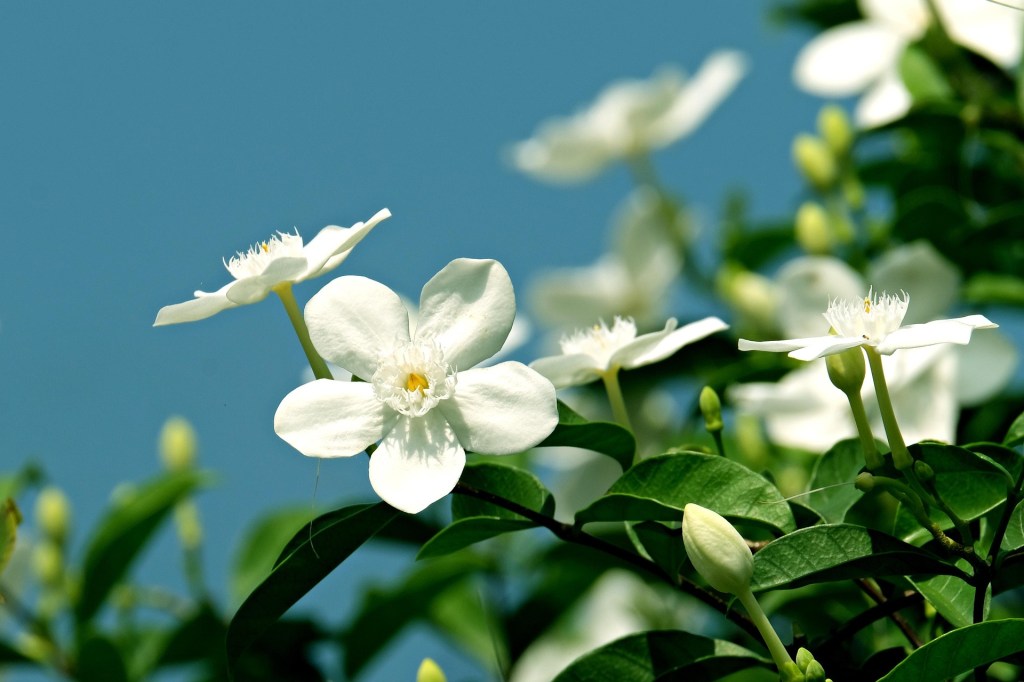
But when those same chemicals build up, like for example, in an overfilled nappy, they lose their charm and take on that unmistakable stinky smell we associate with poop. So poop doesn’t actually smell of roses. Love has to be blind, or at the very least, nasally confused.
Why Moms Don’t Mind the Smell of Their Baby’s Poop
Here’s the fascinating thing. Many mothers insist their baby’s poop doesn’t smell bad. And while that may not be objectively true, science can throw them a bone. Studies suggest they might not be imagining it.
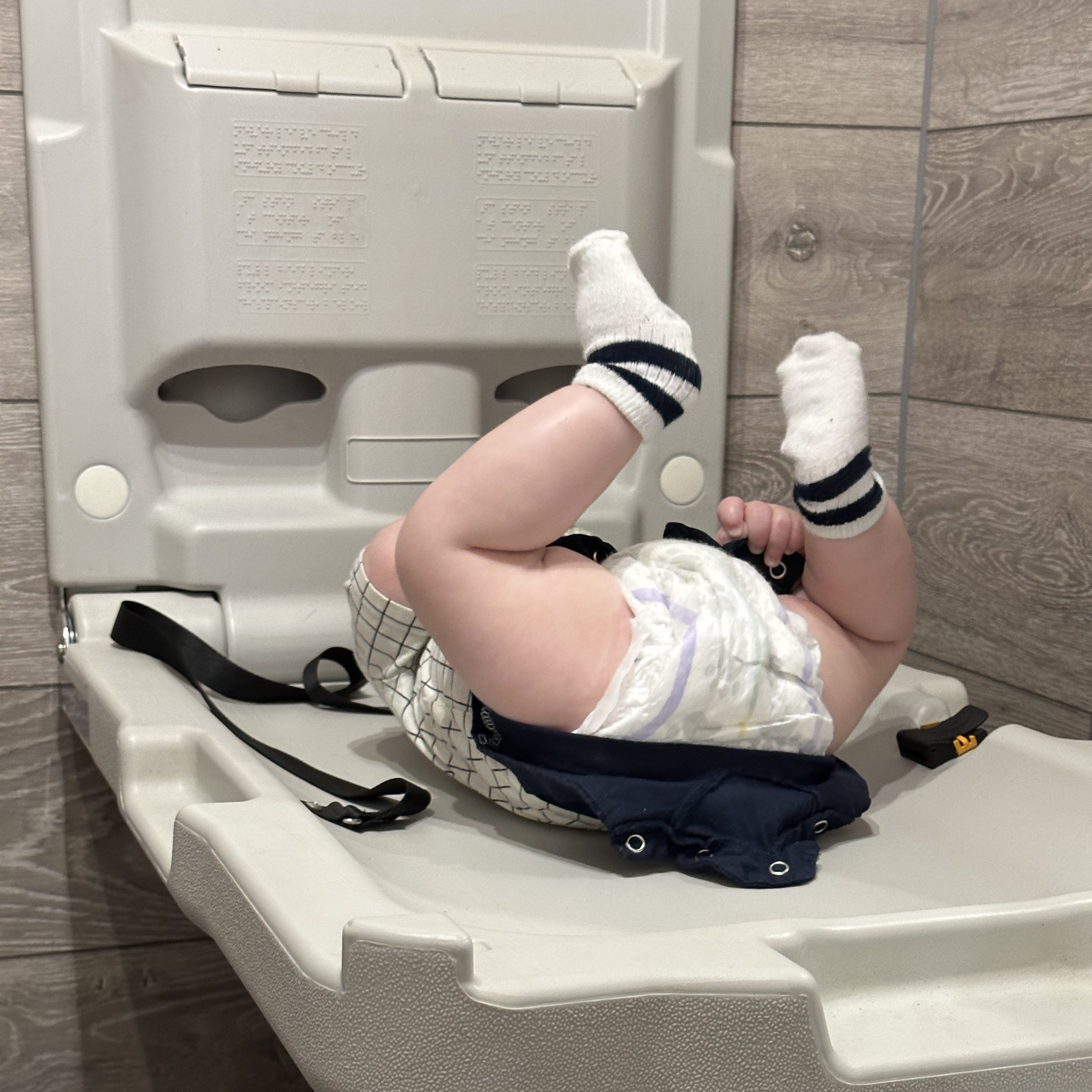
In one delightfully disgusting study, researchers asked moms to sniff different used nappies (yes, really) and rank them by how unpleasant they smelled. Even when the nappies were secretly swapped, mothers consistently rated their own baby’s poop as the least offensive.
So what’s going on here?
The Evolution of a Super Nose
The answer might lie deep in our evolutionary past. Disgust is a powerful protective emotion, helping us avoid things that could carry disease, like rotten food, toxic plants and fungi, and of course feces. But in the flip side, evolution also strongly favors behaviors that help us keep our babies alive.
So when it comes to the smell of your own child’s poop, your brain might literally be reprogramming itself. Over time, and after enough nappy changes, mothers may become desensitized to the scent, or even learn to recognize and accept it as familiar and non-threatening. But it might be more personal than that.
Other Animals Do It Too
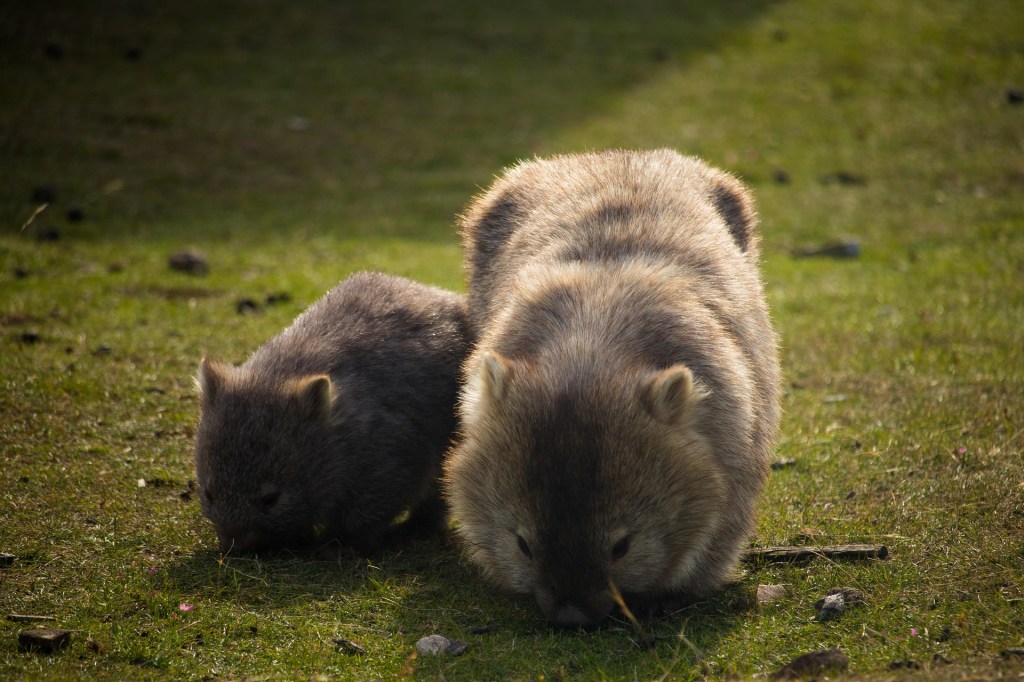
Humans aren’t the only creatures with poop-related superpowers. In the wild, many animals use feces to mark territory. Wolves, wombats, badgers, otters, you name it. These animals can often recognize kin or strangers just by sniffing a dropping.
That’s because every individual has a unique metabolic fingerprint, influenced by their gut bacteria and diet. So wombat poop, otter poop, and even human poop carries an invisible signature, one that mammalian noses are surprisingly good at picking it up.
Us humans don’t rely on our sense of scent as much as other animals do (at least the adults, babies are a whole other story) but it’s likely that we have the same subconscious prowess for recognising a friendly poop from a threatening one.
So… Do Baby Bottoms Really Smell Like Roses?
Okay, not exactly. But our perception of smell is deeply emotional, and for new parents, love can override disgust, and a bunch of other feelings like exhaustion. Add in our evolutionary instincts and constant exposure, and you’ve got a recipe for finding your baby’s poop oddly tolerable—or even weirdly comforting.
So next time you’re elbow-deep in a nappy change, and not completely hating it, just remember: you’re not losing your mind, you’re a finely tuned, evolution-powered, baby-loving poop detective.
Read more
- Unique salience of maternal breast odors for newborn infants – Neuroscience & Biobehavioral Reviews (1999)
- Human facial expressions in response to taste and smell stimulation – Advances in Child Development and Behavior (1979)
- Maternal status regulates cortical responses to the body odor of newborns – Frontiers in Psychology (2013)
- Chemical signals in human olfaction and maternal behavior – Hormones and Behavior (2002)
- Individual differences and the chemical senses: Genetic basis to behavioral effects – Chemical Senses (2005)
- Mammalian Semiochemistry: The Investigation of Chemical Signals Between Mammals – E. S. Albone (1984)
- Pheromones and Animal Behavior: Chemical Signals and Signatures – Tristram D. Wyatt (2014)



 The Science Baby
Leave a comment