
If you’ve spent any time around babies, chances are you’ve been on the receiving end of a milky surprise. Spit ups, posseting, or reflux… whatever you call it, it’s a messy but totally normal part of life with a baby. In fact, studies suggest that around half of all babies spit up regularly in their first year, although in my experience it’s probably closer to all of them.
The good news is that for most babies, spit up is nothing to worry about. Here’s why it happens, when to call the doctor, and what you can do to keep the laundry pile under control.
Why Do Babies Spit Up So Much?
Like so many baby quirks, spit ups come down to anatomy that’s still under construction. Adults have several sphincters along the digestive tract. These are rings of muscle that act like valves, opening to let food through and closing again to keep it in the right place. One important sphincter sits at the top of the stomach, stopping its contents from travelling back up.
Babies are born with underdeveloped muscles, including these sphincters. That means they don’t close as tightly as they will later on, so it’s very easy for milk to make a return journey.
Certain things can make spit ups more likely:
- A very full tummy
- Burping (in fact some doctors say you don’t even need to burp your baby)
- Lying flat after a feed
- Getting jostled around too soon after eating
Most babies grow out of reflux as their muscles mature, usually by around 12 months.
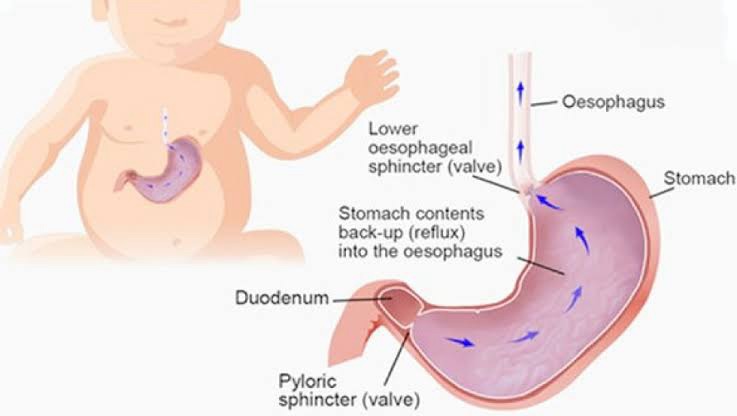
Spit Up vs Vomit: How to Tell the Difference
It’s natural to worry when your baby suddenly brings up a fountain of milk. But spit up is not the same as vomiting.
Spit up is gentle, quick, and often silent, even if it comes out of the nose. Most babies are perfectly happy before and after. Vomiting is forceful, with retching, and can project several inches.
If what’s coming up is green, yellow, contains blood, or has dark flecks, it could signal something more serious. In these cases, it’s always worth checking in with your doctor.

Why Spilled Milk Looks Worse Than It Is
Nothing is more soul destroying than painstakingly pumping breastmilk for your baby, literally leaching away your bones in the process, thinking of all the health benefits they’re going to get (and possibly some that are just rumours too), only for them to seemingly spit it all back up.

But here’s the reassuring bit. Even if your baby seems to spit up a lot, it’s usually far less than it looks. A baby between birth and six months drinks roughly 700–850 millilitres (24–29 ounces) of milk a day.
The puddle on your shoulder might look dramatic, but liquids always looks more when they’re spilled. In fact, it’s usually only about 10 millilitres, or half an ounce. That’s just over 1 percent of their daily intake. It looks catastrophic, but in the grand scheme of things, it’s a splash in the bucket. No use crying over spilled milk, as they say.
If your baby is otherwise content, feeding well, and gaining weight, spit ups are nothing to worry about.
Simple Ways to Reduce Spit Up
You can’t always stop spit ups, but a few tweaks may help reduce the frequency:
- Feed smaller amounts more often, so your baby’s tummy isn’t overly full
- Burp well during and after feeds to release trapped air (although the jury’s out on this one)
- Keep your baby upright for a little while after feeding
- Avoid tight waistbands or clothing that puts pressure on their tummy
Even with all these tricks, some babies will still spit up often. Sometimes there’s no clear reason, and you simply have to embrace the extra laundry. Sorry!

When to Get Medical Advice
Most spit ups are harmless, but speak to a healthcare professional if you notice:
- Persistent, forceful vomiting
- Green, yellow, or blood-stained spit up
- Signs of pain, distress, or difficulty feeding
- Poor weight gain or dehydration
These can indicate conditions that need further investigation, like pyloric stenosis or gastrointestinal obstruction.
It Won’t Last Forever
Spit ups are one of those messy baby stages that feel endless in the moment but really do pass. As your baby’s digestive system matures, those sphincters get stronger, and the fountains gradually fizzle out.
Until then, keep a muslin cloth handy, dress in washable layers, and remind yourself that a little spilled milk is a sign of a growing, thriving baby.






 The Science Baby
Leave a comment