
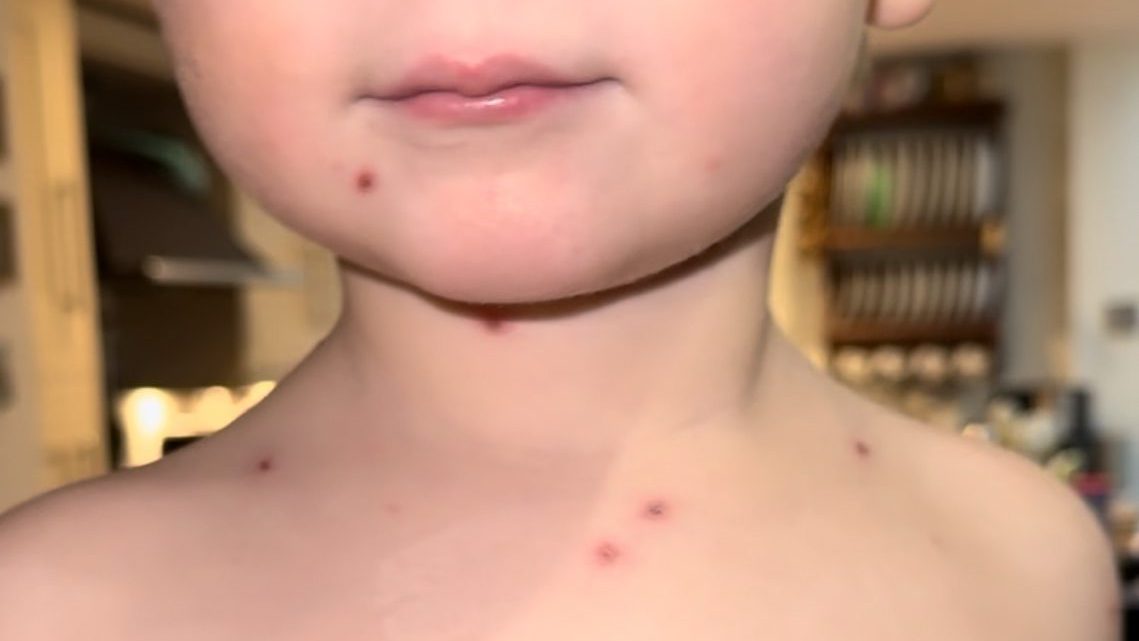
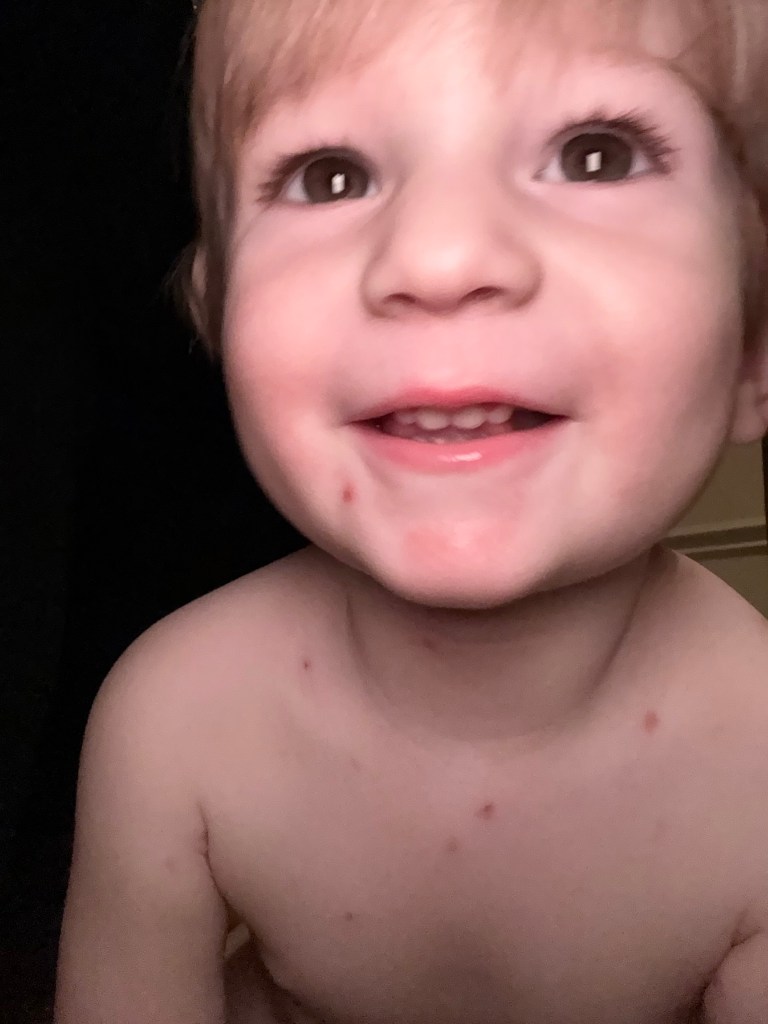
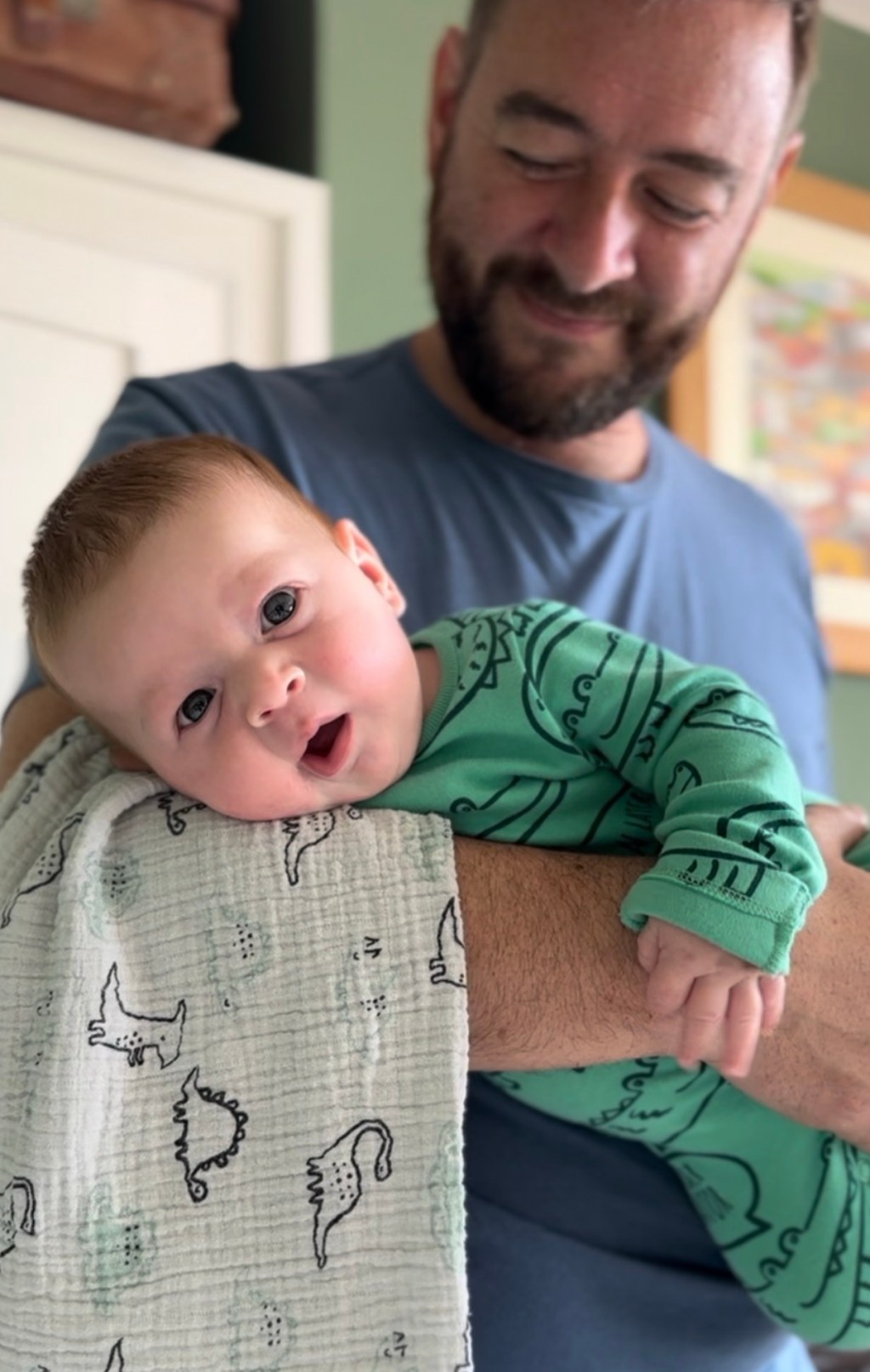
Earlier this year, Science Baby got chickenpox. He was fine, thankfully. It was a textbook case: a bit of itching, a few days off nursery, a flurry of oat baths, and he bounced back. But even as we went through it, I couldn’t help but think how lucky we were. Because while most children recover without any issues, chickenpox isn’t always benign.
When he got sick, we took the opportunity to make a video about pox parties: the old-school practice where parents would intentionally expose their children to someone with chickenpox. The idea was to “get it over with” while kids were young, rather than risk catching it later in life when the symptoms were reportedly more severe. It’s a practice rooted in pre-vaccine logic, and it still surfaces today in parenting groups and online forums. But here’s the thing: just because something is old doesn’t mean it’s wise.
Chickenpox can be more than an itchy inconvenience. It can cause serious complications in rare cases, like pneumonia, encephalitis (inflammation of the brain), and secondary bacterial infections, especially when children scratch their spots. As a result of these complications, it can even be fatal. But even while those outcomes are statistically uncommon, they’re also preventable.
Which brings us to the vaccine.
A Preventable Pox
Many people I know don’t realize it, but there’s been a safe and effective chickenpox vaccine for decades. It was first licensed in the 1990s and is widely used in countries like the United States, Canada, Australia, Germany, and Japan, which have included it into their regular vaccination schedule for children. As a result, in those countries, chickenpox has largely disappeared as a routine childhood illness, hospitalizations have plummeted, and complications have become even rarer. The virus itself has been pushed into the background of everyday life, right alongside measles, mumps, and rubella, diseases we vaccinate against routinely and rarely see as a result.
In the UK, though, the story has been different.
Here, the chickenpox vaccine is available—but only privately. Parents can choose to pay for it (often around £130–£200 for the full course, depending on where you go), but it’s not part of the NHS childhood vaccination schedule. Among all the doctors, nurses, health visitors, and midwives we met with in the perinatal period, not one of them ever mentioned the existence of a vaccine. And I know I’m not alone – tales of this protective jab seem to have only spread among my friends by way of hearsay, through mum groups or parent WhatsApp chats. As a result, many families simply don’t know it exists, or, given how little professional weight is lent to it, assume it’s not necessary. Many who do hear about it weigh the not insignificant cost with their memories of catching and getting over it and decide to wait it out. And a few still seek out chickenpox on purpose, trying to control the timing in an unpredictable world.
But that’s about to change. And this is great news for parents across the UK.
Here’s The Good News
In January 2026, the NHS plans to introduce the chickenpox vaccine into the routine childhood immunisation schedule. That means all children will be offered two doses of the varicella vaccine, bundled into the combined MMRV (measles, mumps, rubella, varicella) jab. The first dose will be given at 12 months, with a second at 18 months. And for children who miss the deadline – those that will be older than 12 months when the schedule starts – a catch-up programme is also being planned. All of that means that families won’t have to choose between forking out hundreds of pounds privately or risking infection.
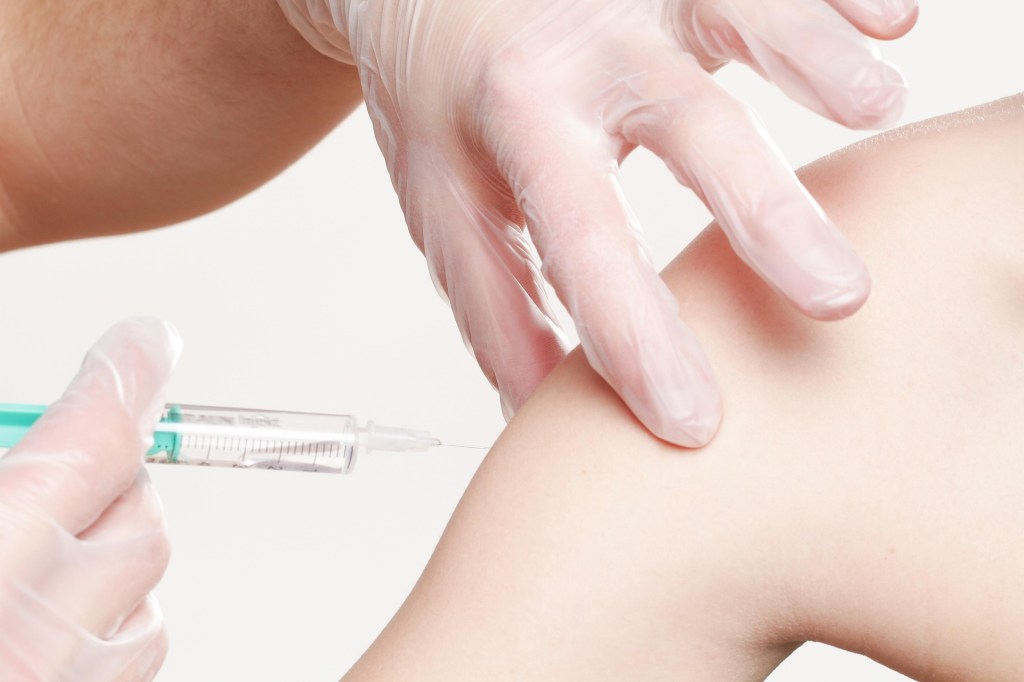
This is a long-overdue step, and one backed by clear evidence. Countries that introduced the vaccine years ago have seen sharp drops in chickenpox cases, with fewer hospitalizations and a significant reduction in severe outcomes. But there’s another potential benefit too: lower rates of shingles.
Shingles is caused by the reactivation of the chickenpox virus later in life. Once you’ve had chickenpox, the virus stays dormant in your nerve cells and can flare up years—or decades—later. It’s incredibly painful and can lead to complications like postherpetic neuralgia, which causes long-term nerve pain. In countries where the varicella vaccine is widely used, shingles cases among younger people have also decreased. While the data is still evolving, some researchers believe the overall burden of shingles could decline over time as fewer people carry the virus at all.
All of this paints a pretty clear picture: the vaccine works, it’s safe, and it protects not just individual children but the wider community too.
So why did it take the UK so long?
Part of the delay was due to concerns about shingles. Public health experts initially worried that vaccinating children against chickenpox might reduce the “natural boosting” of immunity in adults who would otherwise be exposed to the virus. The idea was that if adults weren’t regularly reminded of the virus through low-level exposure, their immune systems might be more vulnerable to shingles reactivation. But as more long-term data has come in from countries that introduced the vaccine earlier, those concerns have largely been put to rest. The benefits now clearly outweigh the theoretical risks—and delaying vaccination has left British children needlessly vulnerable for years.
As a parent, I’m relieved. As a science communicator, I’m thrilled. And as someone who navigated chickenpox firsthand this year, I’m especially grateful that future families may not have to.
What’s important now is raising awareness. Although the programme won’t begin until 2026, parents of younger children should start hearing about it now—from health visitors, GPs, nursery workers, and from each other. We need to normalise the idea that chickenpox is preventable, that this isn’t just a rite of passage or a childhood inevitability. And we need to help parents understand that, come 2026, their children will have a safer, easier path through early life.
If your child was born recently—or is due soon—you might still need to consider whether to get the vaccine privately before the NHS rollout. That’s a personal decision, but knowing the risks, benefits, and options is key. And for those whose children will be eligible in 2026, the message is simple: this is a moment to celebrate.
Because science moves forward. And sometimes, it moves us toward a world where fewer children suffer needlessly.

 The Science Baby
Leave a comment