
I never realised how much of my early parenthood would be spent wrestling my child into good lighting so that I can scrutinise a new blemish on their skin. The number of times I’ve googled ‘rashes on babies’ or ‘rashes on toddlers’, you’d think I’d have them all memorised by now. You’d think I’d stop worrying. But my child seems to have an uncanny ability to sprout a new, unique skin condition that questions my sanity every single month. Seriously, we’ve had it all: hand foot and mouth, eczema, dry skin, cradle cap, baby acne, hives, and most recently chicken pox.
It started after a vomiting bug. He was sick a few times one day, then appeared to get better but then threw up once a day later, and a day after that. I was worried that it was going on so long, so I booked an appointment with the GP. But in the few hours before the appointment, I started to notice a few little red spots on his chest and tummy. When the doctor checked him out, there was no fever or anything else particularly worrisome, but he said to keep an eye on those spots.
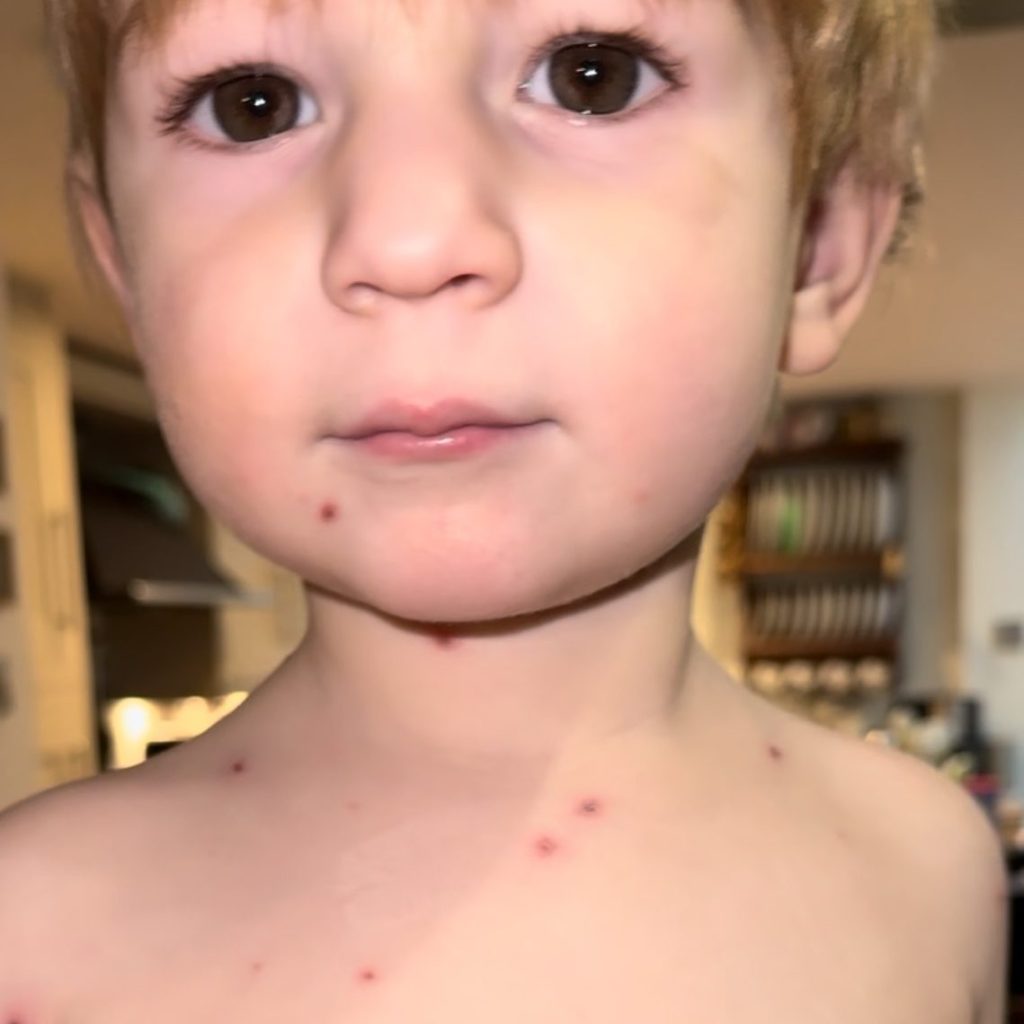
The next day, they were angrier, and there were more of them. And by the following day, they had all the signs of chicken pox. He was 23 months old. We kept him home from nursery, and my work schedule went to sh*t for a week, but I think we got off pretty lightly. His spots ended up covering his tummy, chest and back, he had a few on his arms, legs and face, lots on his scalp, and a ton of them around his groin. It can’t have been comfortable, but he was remarkably upbeat throughout that week. He never spiked a fever while he was covered in spots, and apart from getting annoyed at the itching, sleeping longer and wanting more cuddles, he was pretty much up to his usual tricks.
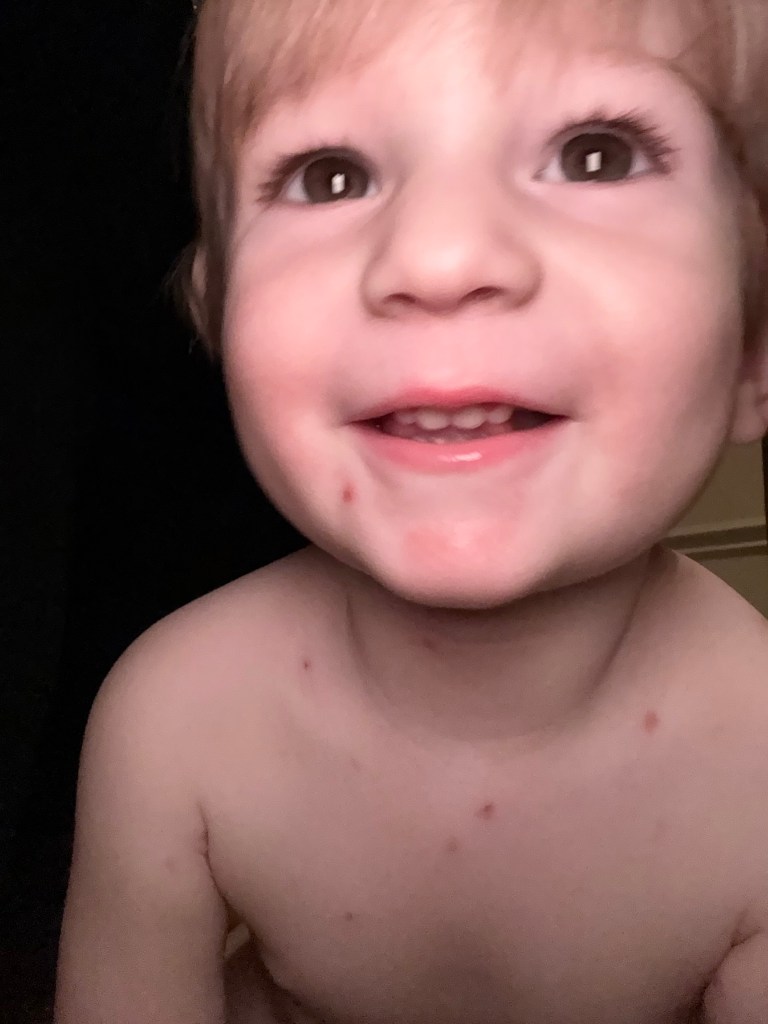
It would have been easy to break our self-inforced house arrest and go out and socialise. He didn’t look that bad, and nobody would know any different. But I would have known that we were out there potentially infecting others, so I chose to do the responsible thing and keep our distance.
I’d like to think that many of us would have the same approach, especially after having self-isolation and social distancing drilled into us after the Covid pandemic. But it wasn’t always this way. There was a time, not that long ago, when the parents of kids with chicken pox would encourage mixing and mingling with their peers, even going so far as to throw pox parties to help spread the disease and ‘get it out of the way’.
So, are pox parties a good idea? Should you keep your kid at home, or carry on as normal. What even is chicken pox anyway?
How do you know if it’s chicken pox?
Chicken pox, otherwise known as varicella, is a viral infection caused by the virus Varicella zoster. It’s related to the herpes viruses that cause coldsores and genital herpes, but is a lot more contagious, especially among children whose idea of hygiene and personal space leaves a lot to be desired!
When a person becomes infected by the virus, it causes a rash of discrete spots, which start out as flat red bumps, but then grow into fluid filled blisters. Over a couple of days, those blisters burst leaving an open sore, which then dries out and scabs over. It’s the blister stage that really characterises the spots as belonging to chicken pox, but since new spots can continue to appear while others are developing, I found that to be a good indicator as well. For us, each spot took about 3 days to go from blemish to open sore, and he kept on developing new ones for about 5 days.
The spots can appear anywhere on the body, although they’re usually concentrated on the torso. But as we found, they can pop up on the scalp underneath hair, inside the mouth, and on some of the delicate skin underneath the nappy. Wiping after a poo was not a pleasant experience for anyone.
But as well as the spots, the virus (or specifically, the body’s immune response to it) can make an infected person feel unwell, with fever, aches, chills and sickness. But interestingly, this ill feeling can peak before, during, or after the spots appear. For us it was before, which left us scratching our heads until those little blemishes started popping up. Then it all made sense.
In most cases, chicken pox infections will follow this same course, and despite its alarming appearance, doctors will recommend it’s treated at home, using a combination of paracetamol/acetominophen (Calpol or infant Tylenol), antihistamines if appropriate, calamine lotion for the itching, and lots of love and cuddles. Unlike other feverish illnesses, you shouldn’t use ibuprofen as it can lead to worse skin infections. And since it’s a virus, antibiotics won’t be effective against it, so there’s no need to take those either.
Of course, if at any point you are worried, then definitely see a doctor, but in most cases, chicken pox will pass in about a week, and it’ll take a few more weeks for the scabs to clear up. If you catch it as a child, your incredible healing powers mean that you probably won’t have a single scar, despite looking like a spotted raisin pudding at your worst.
How can you catch it?
Because of the fever, aches, and itchy rash of spots all over the body, even mild cases of chicken pox can be uncomfortable. Noboody like to see their kid suffering, but this infection is often considered to be one of those unavoidable childhood illnesses, just like the inevitable coughs and colds they’ll get at nursery and school. And that’s partly due to just how contagious the Varicella zoster virus is.
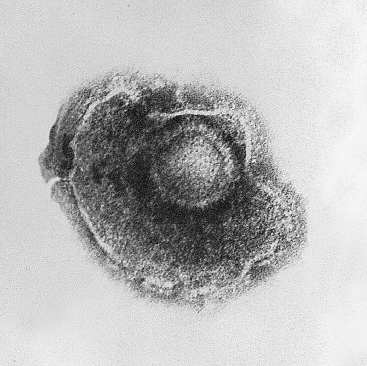
In order to catch it, the virus needs to enter your body, but that’s easier than you might think.
The virus can spread to you when you touch the spots, especially after the blisters have burst. But direct contact isn’t always necessary, because an infected person can also breathe out the virus into the air, so they’re surrounded by an invisible cloud of infectious particles.
Not only that, but chicken pox is contagious even before the spots appear, so an infected person can be out and about, spreading the virus around for a few days before they know they have it. We are certainly guilty of that, because we didn’t stop going to nursery and our normal playgroups until science baby became sick.

After you’ve been exposed to the virus, it can be two to three weeks before you start to show symptoms yourself, making it difficult to pinpoint exactly where you might have picked it up in the first place. Not that it particularly matters, once you’re infected you just have to let the illness run its course.
As a result of its contagiousness, pretty much every child is expected to be exposed to chicken pox some time in their first five years.
The good news is, when you’ve had it once, you’re resistant to the virus and you won’t catch it again. Although it’s worth noting that, like the other herpes viruses, varicella zoster can lie dormant in the body for many years and then suddenly ‘reactivate’ during adulthood, causing painful shingles.
Pox Parties
Getting chickenpox once means you’re resistant to it if and when you’re exposed to it again. And it’s this that largely motivated the historical tradition of pox parties.
The idea was that, as soon as you realised your child had chicken pox, while their spots were still in their blistered and open sore stage, you would invite all of their friends round for a play date, to intentionally expose them to your child and their invisible cloud of disease. Presumably those friends’ parents were aware and consenting, too. Doing so at the earliest possible opportunity would allow these children to get chicken pox, get the illness out of the way, and make them resistant to it sooner rather than later.
This was considered worth doing, because of the pervading belief that the younger a kid is when they catch it, the milder their symptoms will be. Science isn’t entirely sure on whether this is true or not, and there’s a lot of anecdotal evidence floating around.
Science baby got it before he was 2 years old, and I do believe he got off pretty lightly. Compared to photos I’ve seen online, he didn’t have anywhere near as many spots, and they weren’t as angry. Not only that, but if he did spike a fever, it must have been before any of his spots appeared, and only short-lived at that, because we never detected a temperature on him. So he was on the younger side, and appeared to have had it quite mild. One data point.
Anecdote also comes from all of the people who want to tell you about their child’s chicken pox. “Oh, A was 4 when she got it, and it was really really bad”, “C got it at school and was covered in spots head to toe”. While these stories seem to support the younger = milder trend, we should always be aware of the confirmation bias that we unsconsciously seek when trying to support a favoured point of view. People whose older kids didn’t suffer too badly probably don’t have such exciting stories to tell. And even if they did tell, they still ony represent a few data points.
What is known, is that catching chicken pox for the first time as an adult typically results in much more severe symptoms. So making sure you get is as a child will potentially save a certain amount of suffering later on, but at what cost?
Rare but significant risks
Pox parties, especially at an early age, can help to make your child resistant to an illness that could be more severe if they catch it later on. But intentionally exposing a young child to chicken pox carries some pretty major risks too.
Because while the illness is usually mild, treatable at home, and over within a week or so, there is a risk of complications that can be much more severe, and even life-threatening. If the virus infects a kid’s body while their immune system is still underdeveloped, then they won’t be able to take it in their stride.
Rare, but possible complications of chicken pox include:
- Infection of the spots and skin, causing hot, red swelling
- Pneumonia from infection of the lungs
- Encephalitis and meningitis from infection or swelling of the brain
- Sepsis from infection in the blood
- Bleeding problems
These complications can mean that a child has to be admitted to hospital, and may need extended treatment. Some of them are life-threatening.
And the thing is, you can’t know how a child (or adult, for that matter) is going to be affected until they actually get sick. They might be fine, or they might not. You just don’t know.
Now, nobody is saying that pox parties or intentional infection is more likely to lead to issues like this, but if parents force the issue by exposing their child before they would be naturally, and potentially so early that their immune system is underdeveloped, then they are inviting the risk sooner rather than later as well.
Fortunately, these days there is a safer way to get immunity.
Vaccines
The chicken pox vaccine was introduced to the public in the 1980s, and, like all vaccines, offers a way for people to be safely exposed to the Varicella zoster virus, so that they can build natural immunity without experiencing the symptoms of the illness. This vaccine works by injecting a version of the virus that has been weakened or attenuated, so that it triggers an immune response but doesn’t cause any of the symptoms.
In the US, the vaccine was added to the immunisation schedule in the 1990s, and all kids are advised to get two doses of the jab. Since its introduction, it’s reduced overall cases by 97%, and practically eliminated hospitalisations and cicken pox-related deaths. The vaccine has been so effective that, if you’re reading this in the US, you’ve probably been wondering what I’ve been going on about all this time. Unavoidable childhood disease? Get it out of the way? Just get the jab.

Well, the reason it’s still worth talking about is because we don’t have a widespread chicken pox vaccine here in the UK, so on the whole kids are still getting sick with chicken pox, and getting their immunity that way. The vaccine is only offered to those who are most at risk from complications, if they have a compromised immune system, for example. Doing this strikes a balance between protecting the most vulnerable, and not spending too much on a vaccine for a typically mild illness. And it seems to work, with severe complications, hospitalisations and deaths on a par with the US.
So, now that there is a vaccine available, we can do away with the archaic notion of pox parties. Sure, it might give your child immunity to a disease that might be worse for them later on or as an adult. But in choosing to expose them, you’re choosing to roll the dice on their health, not knowing how they might react.
Instead, it’s much better to just get the vaccine, or, if you’re in the UK and not in a high-risk category, just wait until they catch it naturally. There’s a good chance that they won’t pick it up until they’re older, their immune system is better developed, and they’re a bit more resilient.
Then, the best thing to do is to keep your distance from others – meaning no school or nursery, no playdates, no baby and toddler groups, until all the spots have dried out and scabbed over. It will mean being stuck in the house for a week or so, but that leaves plenty of opportinuty for fun activities, like cooking, or science experiments!



 The Science Baby
Leave a comment